
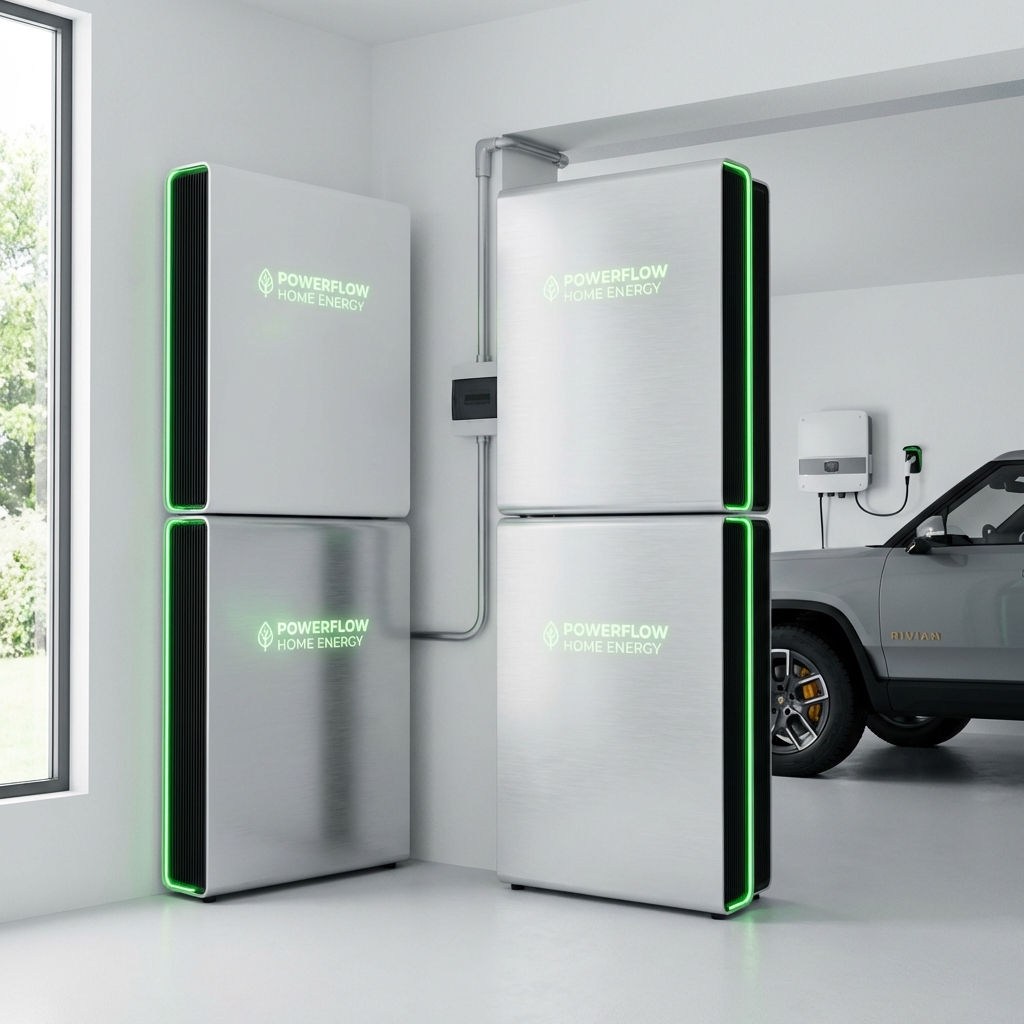
Solar batteries are becoming increasingly popular in Australia, but do they pay for themselves? The answer isn't a simple "yes" or "no" — it depends heavily on your lifestyle, your location, and your energy tariff.
When Does a Battery Make Sense?
A battery is generally a good investment if:
- You use a significant amount of electricity in the evening (cooking, AC, EV charging).
- You are on a Time-of-Use tariff where evening grid power is very expensive (e.g. 40c+ per kWh).
- You have a low export limit (e.g. 0kW or 3kW) meaning your excess solar is otherwise wasted.
- You experience frequent blackouts and value backup protection.
💡 ROI Reality Check
Batteries still have a longer payback period than solar alone. While solar often pays back in 3-5 years, a battery might take 7-10 years. However, for many, the independence and backup security are worth the premium.
AC vs DC Coupling
There are two main ways to connect a battery:
- DC Coupled: Connects directly to a hybrid inverter. More efficient for new systems.
- AC Coupled: Has its own inverter and connects to your home's wiring. Ideal for retrofitting onto existing solar systems.
The Export Limit Factor
In many suburbs, grid congestion has led DNSPs to limit exports to 5kW or even 0kW. If you are export-limited, a battery becomes much more valuable because it captures the energy you otherwise couldn't sell.
Conclusion
Solar-first is still the best financial strategy. Install a good sized solar system now, and add a battery later if your evening usage warrants it.